





What Is a Sneaky Link?
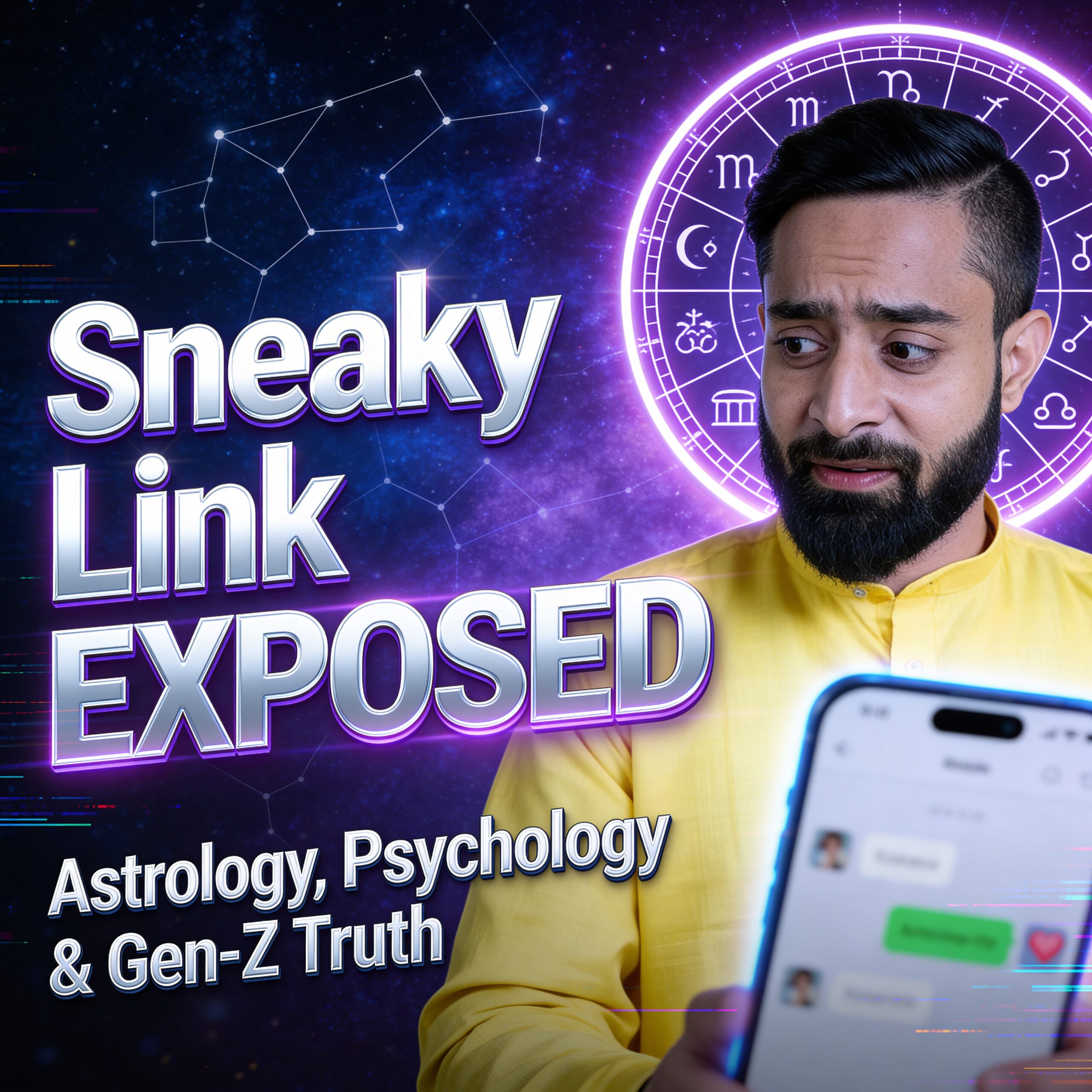
A Sneaky Link is a private romantic or physical connection that stays intentionally hidden from public view. It isn’t officially defined, yet it isn’t openly casual either. It exists quietly—late-night meetings, discreet messages, no public acknowledgment, no social media visibility.
What makes this dynamic intriguing is not just secrecy, but the emotional layers underneath it. Behind every hidden bond lies a psychological pattern shaped by fear, desire, and digital culture.
https://bhagwatpraptisandesh.com/bhrigu_nandi_nadi
Why This Culture Is Growing Among Gen-Z
Secret relationships are not new. What has changed is technology. Messaging apps, archived chats, disappearing modes, and curated social feeds make privacy effortless.
Young adults today often balance two competing needs: freedom and connection. Many avoid labels to reduce pressure, yet still seek companionship to avoid loneliness. This tension fuels private arrangements that operate outside traditional expectations.
Sneaky Link vs Situationship: Understanding the Difference
A situationship is publicly visible but undefined. Friends may know, but the commitment level remains unclear.
A Sneaky Link, however, is intentionally concealed. One avoids clarity; the other avoids exposure.
Think of it this way:
- Situationship = ambiguity in status
- Sneaky Link = invisibility in status
Both resist formal commitment, but only one is actively hidden.
The Psychology Behind Secret Relationship Dynamics
1. Fear of Vulnerability
Public relationships make people emotionally visible. For individuals with guarded tendencies, privacy feels safer. Without public expectations, the risk of social embarrassment or visible rejection decreases.
Psychological research on attachment theory—developed by John Bowlby and later expanded by Mary Ainsworth—shows that avoidant individuals often distance themselves from overt emotional dependency. Hidden dynamics can feel less threatening to them.
2. Dopamine and Digital Secrecy
Novelty and secrecy stimulate dopamine release in the brain’s reward system. Studies in behavioral neuroscience confirm that unpredictable rewards intensify dopamine responses. Secret texting, coded language, and “don’t tell anyone” energy can feel thrilling.
However, intensity does not equal emotional stability. Excitement can coexist with insecurity.
3. Attachment Styles at Play
Three common attachment patterns influence hidden romantic behavior:
- Avoidant: Values independence, may resist public closeness.
- Anxious: Craves reassurance, may accept secrecy to avoid abandonment.
- Secure: Typically prefers clarity and transparency.
When avoidant and anxious types interact, confusion often replaces stability.
Social Media and Emotional Visibility
In today’s dating culture, digital acknowledgment often signals legitimacy. Being posted, tagged, or mentioned publicly provides validation.
When a connection remains unseen online, one partner may eventually feel unseen emotionally. Digital invisibility can translate into perceived emotional invisibility over time.
Astrology and Hidden Romantic Patterns
Astrology does not determine behavior, but many people use it to explore personality tendencies.
Fire Signs (Aries, Leo, Sagittarius)
Passionate and expressive, they enjoy excitement. Temporary secrecy may feel adventurous, yet long-term concealment often frustrates their need for recognition.
Air Signs (Gemini, Libra, Aquarius)
Intellectual and communicative, they may detach emotionally to maintain freedom. Lightness and flexibility often appeal to them.
Water Signs (Cancer, Scorpio, Pisces)
Deeply emotional and intuitive, they can form intense private bonds. Scorpio energy, in particular, is frequently associated with privacy and emotional depth.
Earth Signs (Taurus, Virgo, Capricorn)
Practical and stability-oriented, they usually prefer structure. If secrecy exists, it often serves a practical or situational purpose rather than thrill.
Astrology highlights personality frameworks, but individual choices remain personal responsibility.
Numerology Insights
Numerology assigns personality traits to Life Path numbers:
- 5: Freedom-seeking, adaptable
- 2: Partnership-oriented, emotionally sensitive
- 7: Private, introspective
While numerology lacks scientific validation, many use it symbolically to understand comfort zones and relational tendencies.
Karmic Patterns and Emotional Lessons
Some secret bonds feel magnetic or difficult to detach from. Psychologically, this may stem from unresolved emotional needs, repetition of past relational patterns, or subconscious familiarity.
These experiences often teach boundaries, self-worth, and clarity rather than long-term permanence.
Warning Signs to Notice
Be cautious if:
- Meetings happen only late at night
- Introductions to friends never occur
- Communication feels inconsistent
- You experience more anxiety than security
- Plans are frequently last minute
Mutual privacy differs from one-sided concealment. Emotional imbalance appears when only one person benefits from secrecy.
Can It Become Serious?
A Sneaky Link can evolve into commitment—but only through honest communication.
Growth requires:
- Clear conversations
- Shared expectations
- Emotional transparency
- Willingness to become visible
Without these elements, hidden dynamics typically remain unchanged.
Emotional Health Considerations
Ask yourself:
- Do I feel valued?
- Are my needs acknowledged?
- Am I choosing privacy, or tolerating invisibility?
Healthy relationships create safety, not persistent confusion.
In the Era of Digital Dating
Dating apps expand options, and abundant choice can reduce urgency for commitment. Hidden arrangements may feel convenient—intimacy without accountability.
Yet psychological studies consistently show that long-term well-being correlates strongly with secure emotional bonds rather than casual secrecy.
Handling It Maturely
If involved in a Sneaky Link:
- Define your personal boundaries
- Observe behavior over promises
- Communicate clearly when expectations shift
- Prioritize self-respect
Clarity protects emotional energy.
When It’s Time to Walk Away
Leave when:
- You feel chronically invisible
- Future conversations are avoided
- Self-worth feels compromised
- Emotional stress outweighs joy
Secrecy sometimes protects privacy. Other times, it protects avoidance.
Final Reflection
A Sneaky Link is not automatically unhealthy. It can reflect emotional readiness, fear patterns, or transitional life phases.
However, sustainable relationships require transparency, mutual respect, and emotional alignment. Hidden chapters may teach valuable lessons—but they rarely replace authentic connection.
Choose relationships that honor your emotional truth rather than temporary excitement.
FAQs
1. Is Sneaky Link the same as friends with benefits?
No. Friends with benefits may be openly acknowledged, while Sneaky Link arrangements are intentionally concealed.
2. Why do people choose secrecy?
Common reasons include fear of commitment, social complications, privacy preference, or emotional protection.
3. Can astrology predict hidden relationship behavior?
Astrology suggests personality patterns, not guaranteed outcomes. Individual decisions remain central.
4. Is this dynamic unhealthy?
It depends on mutual consent and emotional balance. Harm arises when expectations are unequal.
5. How should someone end it respectfully?
Communicate honestly, avoid blame, express needs clearly, and establish firm boundaries moving forward.